Buying a house is one of life’s most important decisions, and it’s easy to be swayed by first impressions during a visit. Knowing what to look for when buying a house—beyond the wall color and overall appearance—allows you to spot problems early, before they become unpleasant surprises once the contract is signed
This checklist includes things to look for when buying a house that are often overlooked when one is excited about a deal, from basic structural features to details about the neighborhood itself
What to Look for When Buying a House
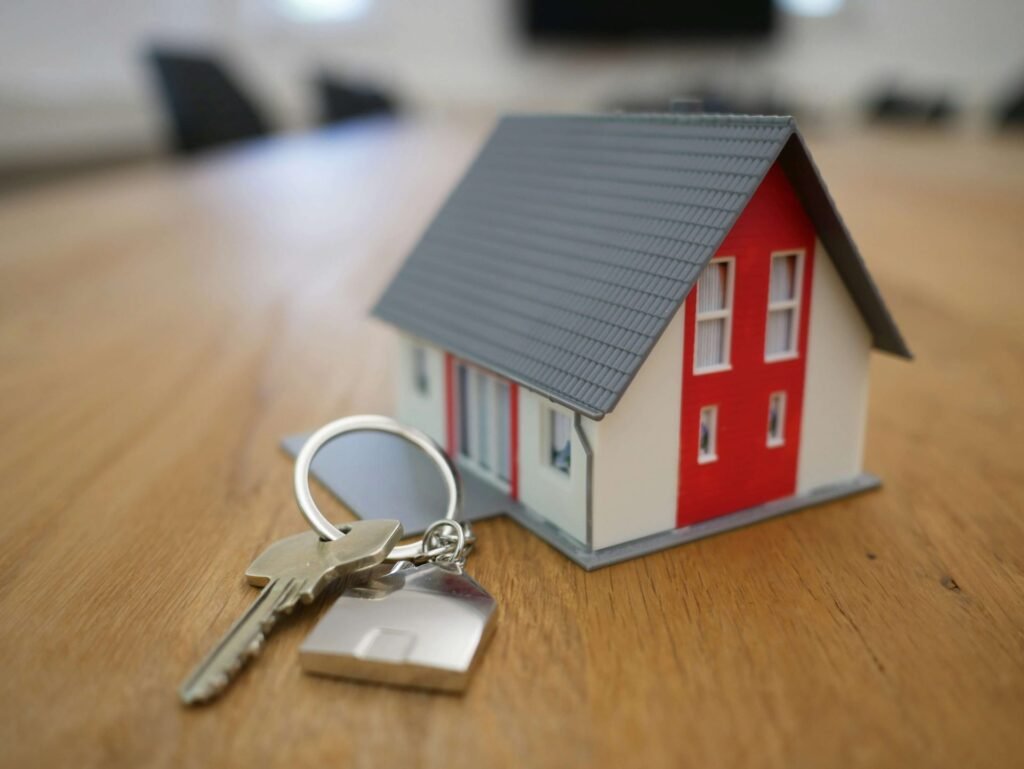
During your visit, examine every room in the house and don’t be fooled by the decor. A tastefully furnished house can hide flaws, and an empty, characterless house might be in good condition. Bring this checklist with you or save it on your smartphone so you can check the same points on every visit.
Structural and Exterior Things to Check
Foundations. Check for visible cracks in the foundation walls, especially horizontal cracks, as these are often more serious than small vertical cracks. Irregularities in the interior floor level can also indicate foundation movement.
Roof condition. Check if any shingles are missing or deformed, if the roof is sagging, and its actual age; a roof at the end of its useful life entails significant costs that must be taken into account.
Exterior walls and siding. Look for cracks, warping, or water stains, which may indicate drainage problems or moisture beneath the surface.
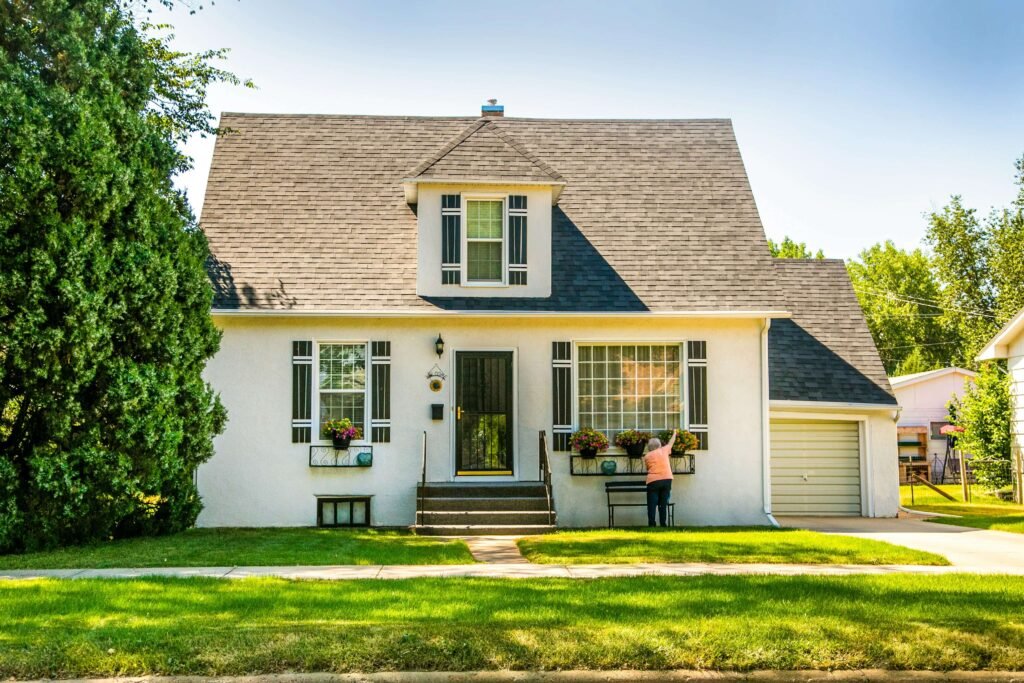
Make sure there is adequate drainage around the house. Check that the ground slopes away from the foundation, not towards it, and look for signs of standing water near the base of the house after it rains.
Windows and doors. Check that they open and close properly. Look for drafts, condensation on double-pane glass, and any visible gaps.
Interior Systems Worth Checking
Check the water pressure and the condition of the pipes. Turn on the faucets and flush the toilet to check the pressure and flow. Check under the sinks for dampness or previous leaks.
Electrical panel. An outdated panel (especially older systems with fuses) can lead to costly upgrades later. Check that the outlets are working properly and look for exposed wires
HVAC system. Ask about the age of the system and how often it’s serviced; replacing such a system is one of the most expensive repairs for a homeowner.
Look for signs of water damage or mold. Check for stains on the ceiling, musty smells in basements, and look for black mold around windows, in bathrooms, and in any area prone to moisture.
Attic and basement. These often neglected spaces can reveal a lot: the quality of the insulation, signs of pest infestation, damp problems, or structural defects invisible in other parts of the house.
Things to Know Before Buying a House: Neighborhood and Location
Noise levels vary depending on the time of day. A quiet street on a weekday morning can be very different on a weekend afternoon; if possible, visit at different times of day.
Consider nearby amenities and commute times. Think about the actual distance between your workplace, schools, supermarkets, and everything else that’s important to your daily life.
Future development projects. Consult with the local planning department for information on major construction projects or planned zoning changes in the vicinity that may affect the area.
Take your time to enjoy the neighborhood’s atmosphere. Walk its streets instead of just driving through: this will give you a better sense of its upkeep and the daily life that unfolds there.
Documentation and Paperwork to Review
Seller’s Disclosure. This document must list all known defects in the property; read it carefully and do not skim it
Permit history. Check if previous renovations were carried out with the necessary permits, as unauthorized work can cause problems later.
If applicable, review the HOA (Homeowners Association) bylaws and dues. Learn about the services offered, any limitations, and possible changes to the dues.
What should I look for first when touring a house?
Start with the basic structural elements: foundation, roof, and signs of water damage, as these are the most expensive problems to fix if neglected.
What are common things people overlook when buying a house?
During a quick inspection, the drainage around the foundation, the condition of the attic and basement, as well as the age of important systems such as HVAC and the electrical panel are often overlooked.
Should I bring a checklist to a house viewing?
Yes. It’s easy to get distracted by the presentation and features, so a written checklist of things to look for when buying a house helps you focus on what’s essential.
Is a home buying checklist enough, or do I still need an inspection?
A checklist helps you identify obvious defects during a visit, but it does not replace a professional inspection of the property before the final purchase.
What should I check outside the house, not just inside?
Drainage, roof condition, siding, and general maintenance of the garden and outdoor spaces are indicators that can be used to assess the quality of property maintenance.
