Introduction
Unusual houseplants can turn an ordinary shelf or windowsill into the part of your home people talk about. Strange shapes, odd colors and plants that move or catch insects add character that a standard fern or pothos cannot. Some are easy for beginners and some are real challenges, so this guide gives each of the ten plants a care note, plus tips on light, humidity and pet safety before you buy.
Banana Shrub
The banana shrub is known for its sweet, fruity scent rather than its looks. It is usually grown outdoors in mild climates and in a container where winters are cold, so check your local conditions before you buy. Difficulty: intermediate. These weird house plants are known for their sweet tropical aroma. They thrive beautifully at average room temperature, with minimal watering and partial sunlight.

Climbing Sea Onion
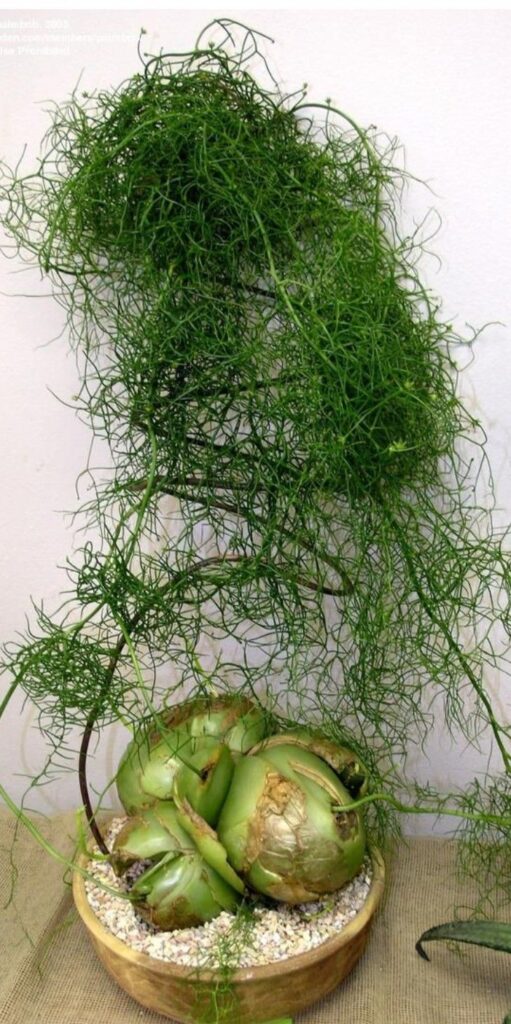
If you are new to houseplants, you can bring home a Climbing Sea Onion. The best thing about these weird looking houseplants is that they can thrive in different environments. However, a small trellis is required to support their growth. It would be best if you kept the plants moist and in full sunlight for best results.
Club Moss
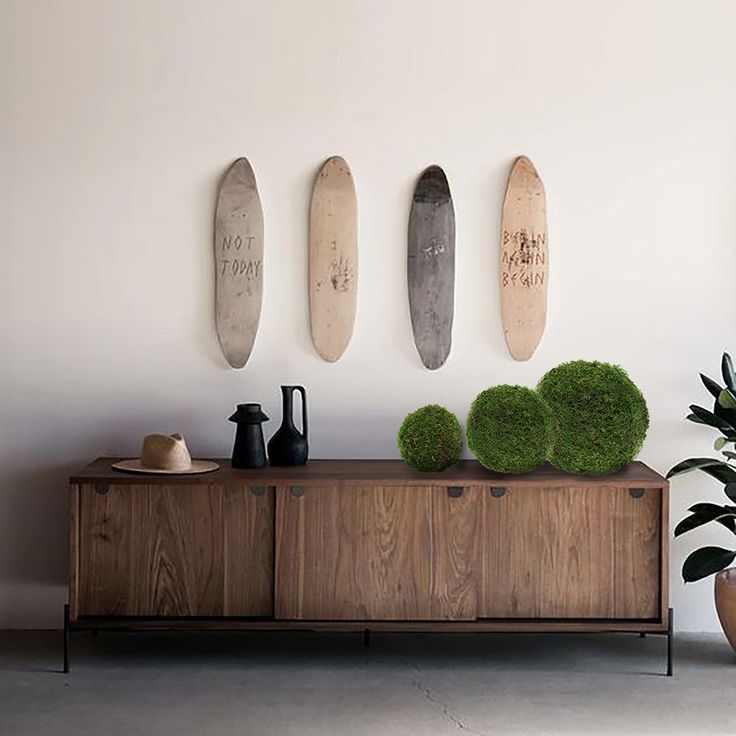
This tropical moss can be the perfect addition to your contemporary house décor. Provide a humid environment for it to thrive even in low-light conditions. A Club Moss can be ideal if you plan to create a mini-terrarium.
Coffee Plant
If you can’t get going without hot coffee in the morning, you would thoroughly enjoy growing a coffee plant at home. But for a proper harvest, you must wait long for the berries to mature. Coffee plants grow best in moderate light and humid conditions.

Lifesaver Plant
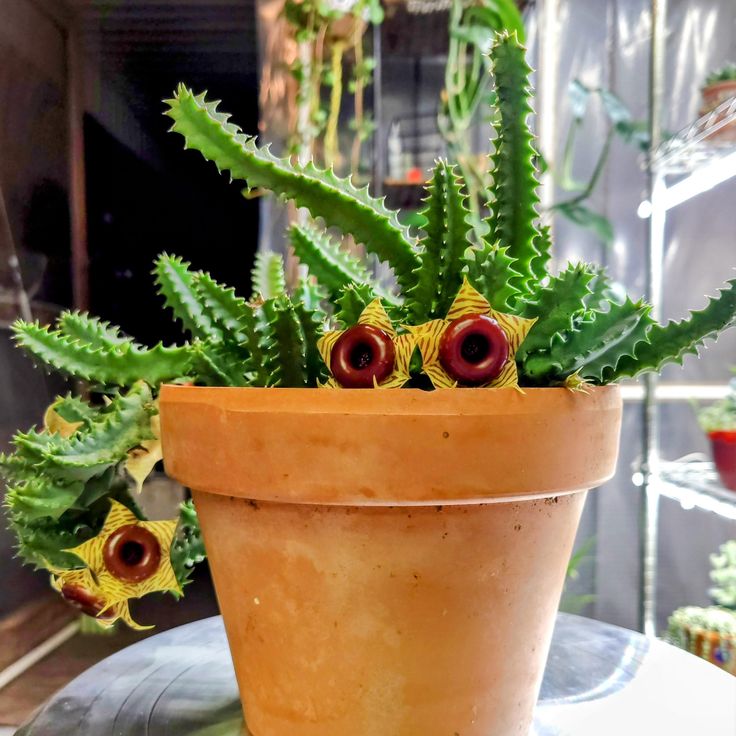
The lifesaver plant, also called the owl eyes plant, is one of the most striking unusual houseplants for a sunny windowsill. Its waxy, banded flowers look almost artificial, but it is a succulent, not a cactus. It likes bright light and a sandy, fast-draining soil, and it does best when you let the soil dry between waterings. Difficulty: beginner to intermediate.
Cement Leaf Plant
This succulent, characterized by bumpy leaves, requires bright light and rock soil to thrive. Provide the right conditions, and these weird indoor plants will gift you with a yellow bloom during the winter months.

Sensitive Plant
The sensitive plant is a fun pick among unusual houseplants because its leaves fold up when you touch them, then open again a little later. It needs bright light and regular watering, and it often does not live long indoors. Difficulty: intermediate. Popularly known as a shy plant, this creeping shrub is known for its exciting leaf movement, which recoils when subjected to stimulus. These weirdest houseplants yield fantastic results with moderate watering and ample sunlight.

Bat Flower
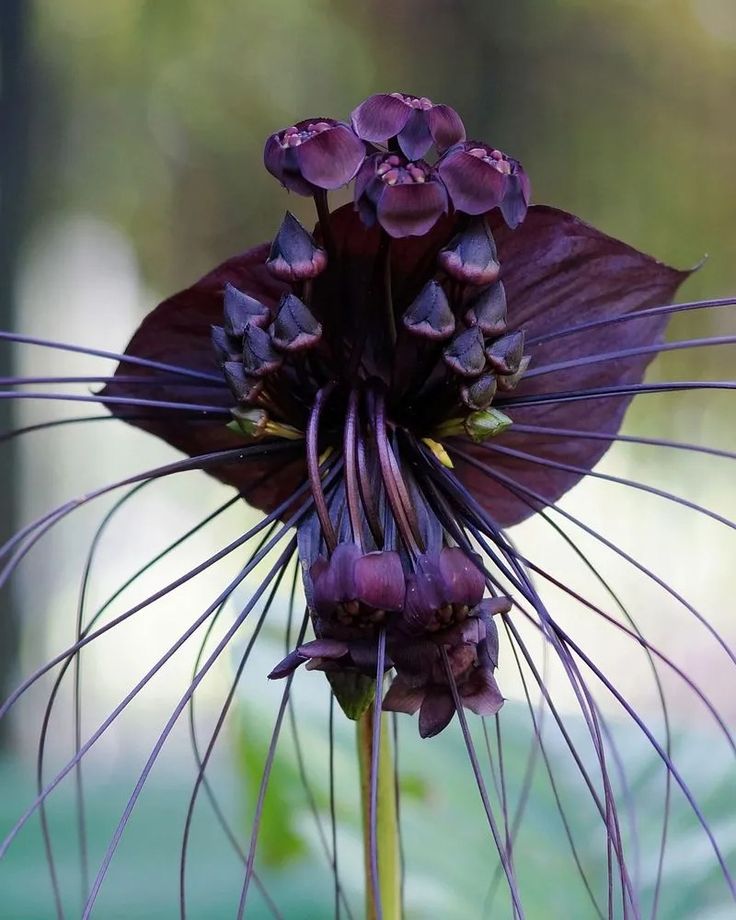
The bat flower has long, whisker-like growths and dark, bat-shaped blooms, which makes it one of the most dramatic unusual houseplants. It prefers filtered light, high humidity and good air circulation. Difficulty: advanced. These plants are known for their long growths that resemble whiskers and dark petals. They can be grown with proper air circulation, high humidity, and filtered light.
Sundew
Sundews are carnivorous unusual houseplants with sticky, dew-covered leaves that catch small insects. The University of Nebraska Extension says carnivorous plants are challenging to grow and need a moist, acidic growing medium, high humidity and bright light. Water them with rain or distilled water, since tap water may contain too many minerals, and do not fertilize them. Difficulty: advanced. Sundew is a carnivorous plant with tentacle-like leaves covered with aromatic mucus. Its rich fragrance often lures in insects. Sundew can be grown in a moist and warm environment.

California Pitcher Plant
The California pitcher plant, also called the cobra lily, has hooded, snake-like pitchers that make it a showstopper among unusual houseplants. It prefers cool conditions and is difficult to grow indoors, and it is not a pest control solution, since insects are only a supplemental food source for carnivorous plants. Difficulty: advanced. Known among the gardening community as Cobra Lily for its dramatic leaves, these weirdest houseplants can free your house from crickets, flies, ants, spiders, and other insects. For best results, keep them in a cool environment.

Conclusion
The world of houseplants is vast, and different weird looking houseplants can quickly spruce up your home collection! However, it would help if you exercise caution, as some houseplants might be toxic to humans and pets.