Introduction
Want to transform the shadowy corner of your apartment into a green oasis? Low-light indoor plants can come to your rescue. These green babies can thrive in extreme conditions like low indirect lighting. Some of these resilient beauties feature air-purifying attributes, which can tag along with health benefits to places receiving less sunlight. Keep reading to learn about our top recommendations of indoor plants for low light:
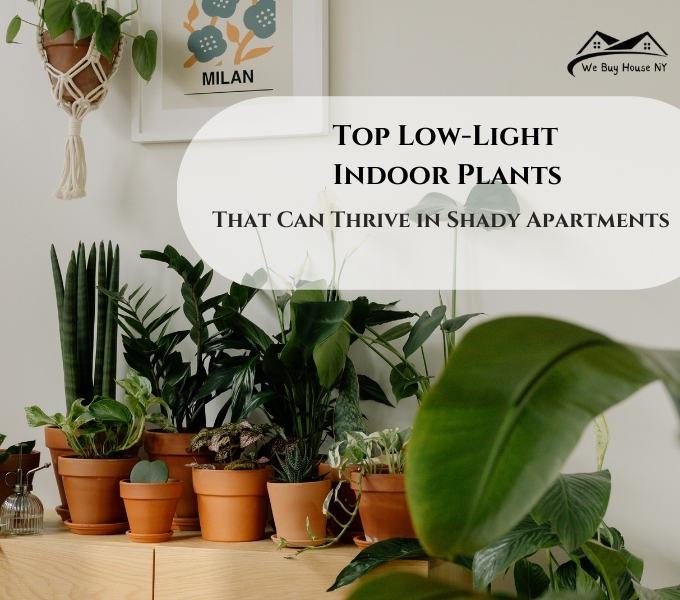
Fernwood Mikado (Sansevieria ‘Fernwood’)
Fernwood Mikado doesn’t require special care and can thrive on neglect. They feature cylindrical leaves resembling grass. These plants show a growth spurt under bright sunlight. However, they can also adapt to low-light conditions. Plant these vastu-friendly indoor plants in sandy soil, and they will reach a maximum height of 2 feet. You can easily keep them on shelves or tabletops. Beware if you have pets around, as they can be toxic to your four-legged buddies.
Peperomia Green (Peperomia Obtusifolia)
Peperomia Green is a versatile plant falling under the pepper family. They are fond of bright indirect sunlight. However, these low-light indoor plants in India might get parched under direct sunlight. A semi-succulent nature helps retain moisture in its leaves and fleshy stems. These low-maintenance houseplants feature glossy green leaves. They can attain a maximum height of 6-12 inches and can be an excellent addition to your desks and shelves.
Silver Philodendron (Philodendron Hastatum)
Silver Philodendron is a striking vining houseplant having silvery-green arrow-shaped leaves. The tropical climber reaches a maximum height of 6-10 feet when supported by moss poles. You can bank on these low-maintenance beauties to impart a jungle vibe to your house indoors. The silver philodendron needs to be kept away from direct sun, as that causes leaf burn. It should be watered only when the top 1-2 inches dry out.
Arrowhead Vine (Syngonium Podophyllum)
Arrowhead Vine is a fast-growing tropical houseplant having arrow-shaped leaves. In the initial days, the foliage looks green, cream, or pink as per the plant variant. These plants for low-light rooms can attain a maximum height of 6 feet. It can impart a lush texture to your interior while acting as a strong air purifier. Direct sunlight should be avoided, as that causes scorching of leaves. Rather, you can place them in indirect light.
Bird’s Nest Fern (Asplenium Nidus)
Bird’s Nest Fern is popular for its glossy green fronds emerging from a central nest. Its wavy fronds can attain a height of up to 5 feet when kept outdoors. The plant is native to Southeast Asia and thrives in humid environments. For best results keep it under partial or indirect shade. If you are planning on keeping these indoor plants for low light on your windowsill, then aim for the east-facing window.
Neon Pothos (Epipremnum Aureum ‘Neon’)
Neon Pothos is a popular variant of pothos vine, which can add vibrancy to your house with its chartreuse-yellow leaves. The plant stems can attain a maximum height of up to 10 feet. Neon Pothos likes bright indirect sunlight for retaining its color. These low-light indoor plants should be kept away from direct sunlight to prevent scorching.
Grape Ivy (Cissus Rhombifolia)
Grape ivy is a fast-growing plant with green diamond-shaped leaves. This low-maintenance houseplant thrives indoors in bright indirect light. Exposure to direct sun can lead to leaf scorch. You can place these plants for low-light rooms on shelves or in hanging baskets. They can attain a maximum height of 6-10 feet and require bright indirect light for compact growth.
Calathea (Calathea spp.)
Calathea is a tropical evergreen featuring strikingly patterned foliage. This fold occurs during the night, leading to its unique name as prayer plants. Calathea is a vibrantly hued plant that can induce rainforest vibes in your house indoors. These vastu-friendly indoor plants can be kept in an east- or north-facing window where they shall get plenty of bright indirect light.
Spider Plant (Chlorophytum Comosum)
Spider plant is an arching houseplant having greasy variegated leaves. This plant is a native of South Africa and is perfect for first-time gardeners. Looking after the spider plant is very easy, as it requires bright indirect light and watering every 2 weeks. It can reach a maximum height of 2 feet and bears beautiful white flowers.
Cast Iron Plant (Aspidistra Elatior)
The cast iron plant is a popular perennial evergreen known for its tough durability. It can thrive in low-light conditions and has negligible maintenance needs. You can keep it outdoors under the shade of bigger trees or fully indoors. Make sure the topsoil has dried completely before watering again.
Looking After Plants for Low-Light Rooms
- Make use of mirrors to reflect sunlight. This is helpful in growing plants for low-light rooms.
- Keep rotating the position of plants so that all of them get even lighting.
- It’s best to place your plants near the north-facing windows.
- Remember that plants with low light requirements need less water than the ones kept in bright light. Make sure to check the top inches of the soil before re-watering. Excessive watering is infamous for causing root rot. This can be avoided by using drainage pots.
- Lightweight and well-draining soil yields the best results for low-light plants. Use a balanced liquid fertilizer once a month. Low-light plants have fewer energy requirements. You should avoid overfertilizing.
- Dust lingering on the plant leaves can hinder light absorption. You should clean the leaves weekly using a damp cloth. This also aids in keeping the pests at bay.
- You can consider using LED grow lights for your low-light indoor plants. These can be a game changer if your space doesn’t receive any natural light. You can stimulate day and night cycles by using timers. Make sure to position the light approximately 6-12 inches above the plants.
FAQ
1. How much light do low-light indoor plants need?
These plants thrive well under 1-3 hours of daily indirect light. Keeping them in complete darkness can lead to leggy growth.
2. What is the watering requirement of these plants?
They need to be watered every 12 weeks. Touch and check the top layer of soil before watering again.
3. At what interval should I fertilize the plants?
The low-light plants don’t need much fertilizer. Opt for a diluted houseplant formula once a month during summer or spring.
4. Can the indoor plants for low light purify indoor air?
Some plants, such as spider plants and peace lilies, can remove toxins from the indoor air.
5. Are the low-light plants safe for keeping around pets?
While some plants may be toxic to pets, others are relatively safe. You are advised to check individual plants in your home for safety.